
In today’s competitive B2B landscape, learning from your competitors is not just smart—it is essential. But how to analyze competitor marketing and extract real insight without falling into the trap of copying?
This post outlines a practical and ethical approach to competitor marketing analysis. You will learn how to uncover strategic opportunities, find messaging gaps, and benchmark effectively without losing your distinct voice.
Why competitor marketing analysis matters
Tracking competitors is common. Turning that data into insight is less so. Competitive analysis helps you understand how others position themselves in the market, what messages they emphasize, and where demand is being shaped or missed. When done right, it sharpens your own strategy and brings clarity to your unique position.
What you should and should not analyze
The goal is not to replicate but to understand. Focus on elements you can observe and interpret. Look at their messaging and tone in campaigns or posts. Explore how they structure calls to action and landing pages. Monitor their content formats and publishing cadence. Use this information to spot patterns, not to mirror behavior.
Avoid attempting to mimic visual identity, values, or internal processes that are not public or measurable. Your goal is to stay distinct while being aware of the playing field.
What tools help you gather insight from competitors
To collect useful data, consider these tools:
- LinkedIn Ads Library: see which ads your competitors are running and what messaging they use
- SEMrush or Ahrefs: audit SEO performance, backlink strategies, and keyword gaps
- BuiltWith or Similarweb: explore their tech stack, traffic sources, and site structure
- Social media pages: LinkedIn, Facebook, Instagram, and other relevant platforms
- Google Search engine: explore indexed content and visibility with your key search queries
- Empirical research: review website structure, blog content, and overall digital presence
Manual research is also essential. Subscribe to newsletters, follow social media updates, and track how their audience engages with content.

How to identify gaps and opportunities
Once you have data, the question becomes, what can you do differently? Compare value propositions and service emphasis. Look for underrepresented verticals, regions, or buyer roles. Spot content themes or formats your competitors are not using.
This approach helps you identify whitespace—areas where you can better serve the audience or convey something more relevant. Our post on audience strategy for growth explains how to align your targeting to these findings.
Benchmarking without losing your uniqueness
Competitor analysis should reinforce your strategy, not derail it. Use insights to refine your ICP messaging, guide your content roadmap, or create contrast in tone and approach. For instance, if your competitor emphasizes product features, you might focus on business outcomes. If their brand tone is bold, yours could be more direct and grounded.
Differentiation is not about being louder. It is about being clearer and more relevant to your target audience.
Align insights with your growth strategy
Use your findings to inform quarterly or annual planning and decision-making. Apply insights to campaign development and content calendar prioritization. Consider website structure changes to better serve your ICP. Read more on the strategic role of websites for deeper context.
Involve sales in evaluating insights. Collaborate across teams to ensure findings translate into meaningful action. You can also incorporate competitor activity into your unified marketing dashboard to track how your positioning evolves over time.
KPIs to measure the competitive landscape
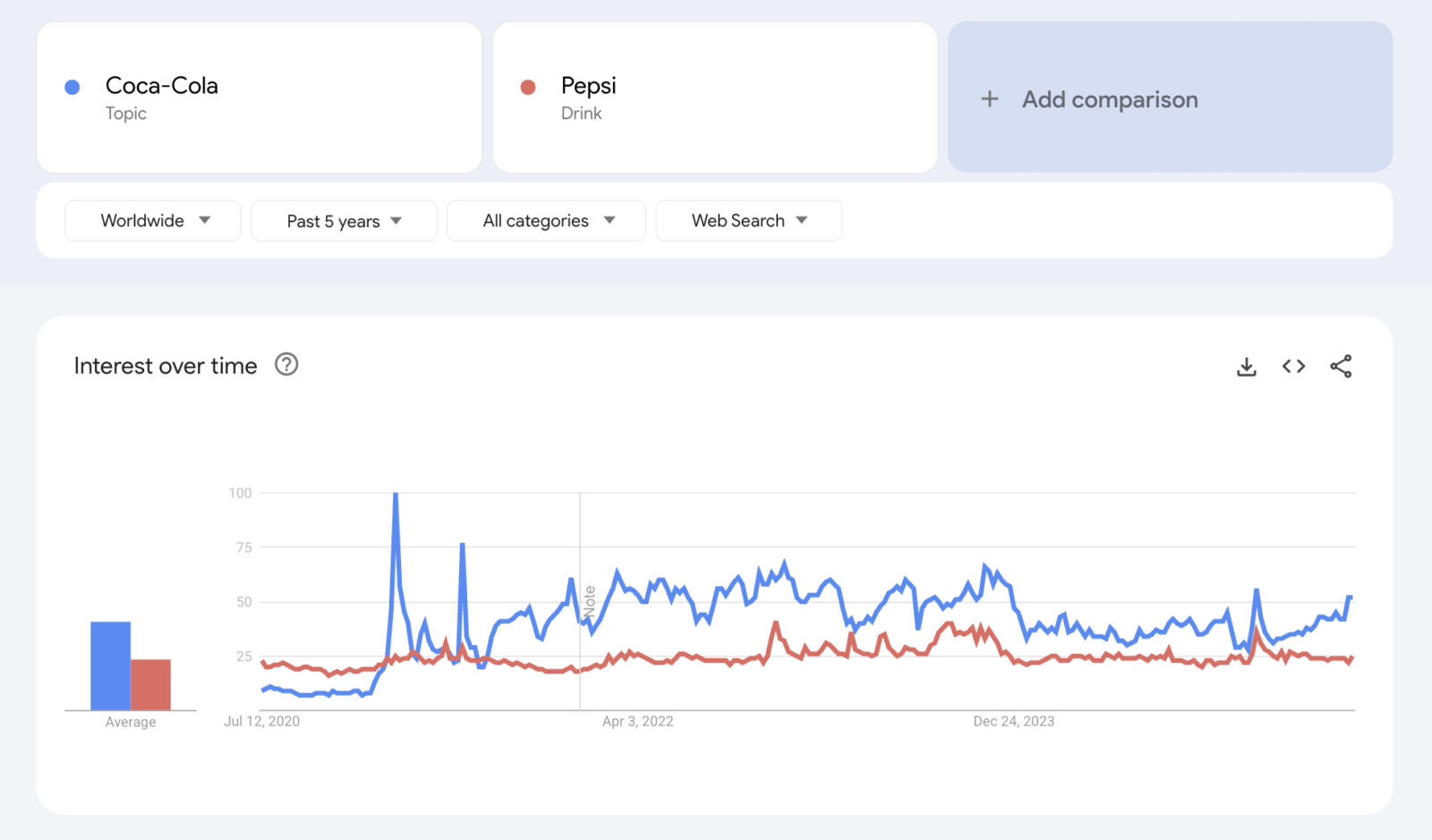
To understand your place in the competitive environment, use metrics that show how well your brand performs against others. These include:
- Share of search using Google Trends or similar tools to see how often your brand is searched versus competitors
- Organic search visibility and keyword dominance in platforms like SEMrush or Ahrefs
- Social media metrics, including follower growth, engagement rates, and content reach
- Website traffic and brand search development through Google Search Console or Google Analytics
- Paid campaign comparison, including ad engagement and impression share across channels
Tracking these indicators over time helps you measure the impact of your own efforts while monitoring how competitors evolve.
Conclusion: How and why to analyze competitor marketing
You do not need to be obsessed with your competition, but you do need to learn from them. With the right tools, clear thinking, and strategic alignment, competitor marketing analysis becomes an advantage, not just a task.
It helps uncover gaps, sharpen positioning, and reveal opportunities that align directly with your growth strategy. By focusing on what truly matters, your competitive insight becomes a source of differentiation.